She Survived, Then She Got Smart: The Final Girl's Glow-Up
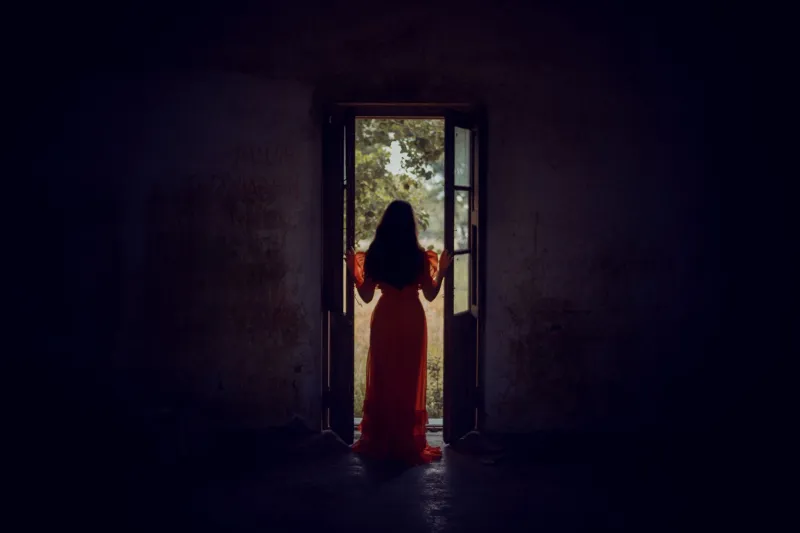
Carol J. Clover coined the term in 1992, but horror audiences knew the archetype long before that: the last woman standing, the one who outlasts the killer through some combination of luck, resourcefulness, and sheer refusal to die. Laurie Strode babysitting her way through 1978 defined it. Sally Hardesty stumbling out of a farmhouse at dawn perfected it.
Fifty years later, the final girl barely resembles her ancestor. And honestly? That's both the best and most troubling thing happening in horror right now.
The Original Blueprint: Scared and Surviving Anyway
The classic final girl worked because she was ordinary. Laurie Strode wasn't a soldier or a sleuth — she was a bookish teenager who noticed something was off and reacted like any of us would: badly, frantically, humanly. Her victory over Michael Myers was less triumph than survival. She won by not dying, which is the only victory horror ever really promises.
That vulnerability was the engine of the whole genre. We watched because we saw ourselves in her terror, and her survival let us leave the theater feeling like maybe we'd make it too.
The Genre-Savvy Turn
Then Scream blew the doors off in 1996. Billy Loomis literally lectured Sidney Prescott on the rules — don't say "I'll be right back," don't drink, don't have sex — and Sidney survived partly because she'd seen the movies too. Horror became self-aware, and the final girl became fluent in the language of her own movie.
Modern horror has pushed that fluency further. In Ti West's X, Maxine is a wannabe star with real ambition and zero apologies, and she walks out of the massacre with her future intact. Bodies Bodies Bodies hands its cast total self-awareness — they know the vocabulary of trauma and therapy-speak, they narrate themselves constantly — and the film weaponizes that awareness against them.
The contemporary final girl doesn't just survive the slasher. She understands the genre, quotes it, and occasionally outmaneuvers it. Jamie Lee Curtis's 2018 Laurie Strode is the endpoint: forty years of trauma forged into a booby-trapped fortress of a woman who's been waiting for Michael to come back.
What the Rewrite Gets Right
Let's be fair to the new model, because it fixed real problems. The old trope had a puritanical streak — the virgin survives, the promiscuous die — that aged terribly. Today's final girls are allowed desire, flaws, and messiness. They're allowed to be unlikable, which is to say they're allowed to be fully human.
There's also something genuinely satisfying about watching a protagonist fight back with knowledge instead of just luck. When modern final girls win, it feels earned in a different way — not by divine intervention of innocence, but by wit and will.
What We Might Have Lost
Here's the rub, though: fear requires vulnerability, and the genre-savvy heroine is often the least vulnerable person in the room.
When Laurie Strode hid in a closet, we felt the walls closing in because she had no plan. When a modern heroine racks a shotgun and says "come get me," the dread drains out of the scene. The 2018 Halloween sequels kept escalating Laurie's preparedness until she became the predator in her own franchise, and something essential went missing — the sense that survival is a fragile, lucky thing.
There's also a smugness risk. Self-aware horror can slide into winking at the audience, and a final girl who's always one step ahead of the trope stops being a character and starts being a thesis statement. Bodies Bodies Bodies understood this — it made self-awareness the fatal flaw. Not every film is that sharp.
The best modern horror threads the needle: protagonists who know the rules but are still scared anyway. Sidney Prescott across five Scream films is the gold standard — genre-literate, scarred, and still genuinely rattled when the phone rings.
Where She Goes Next
The final girl's evolution tracks our own relationship with media. We're all genre-savvy now; nobody watches a horror movie cold. The trope had to change or die.
But the challenge for the next wave of filmmakers is rediscovering fear inside competence. The scariest thing a modern final girl can face isn't a bigger knife — it's the realization that knowing all the rules doesn't save you. Horror's oldest truth is that no one is ever really prepared. The genre's best writers will be the ones who remember that even the smartest survivor is still, in the dark, just a person hoping morning comes.