Nowhere to Stream: The Horror Classics Lost in Licensing Limbo
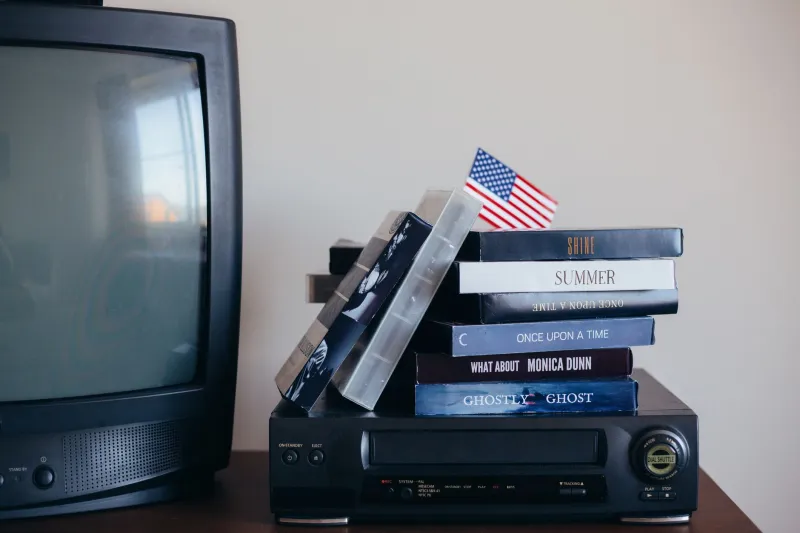
You've got popcorn in the microwave, the lights are off, and you're scrolling through every streaming app you pay for. The movie you want — the one you can see in your head, poster and all — isn't there. It's not on Netflix, not on Max, not hiding in the free-with-ads section of Tubi. It's nowhere.
Welcome to the streaming ghost town, where some of horror's most beloved films simply don't exist digitally. Not "coming soon." Not "rent for $3.99." Nowhere.
The Vanishing Act Nobody Talks About
Streaming catalogs get treated like they're infinite, but they're actually a tangled web of licensing deals that expire, overlap, and sometimes collapse entirely. A movie from 1985 might have its distribution rights split three ways — one company owns the US theatrical rights, another holds home video, a third controls streaming. If those parties can't agree on terms (or if one of them went bankrupt in 2009), the film just... floats.
Horror is hit especially hard because so many genre classics came from small studios and indie outfits. The big tentpole franchises get loving 4K restorations and dedicated hub pages. The mid-tier slasher from 1983 that made $12 million on a $900,000 budget? That's a rights nightmare in a dusty filing cabinet somewhere.
Ten Films You Can't Stream Right Now
Fair warning: availability shifts constantly, and some of these flicker onto ad-supported services for a month before vanishing again. But as of this writing, here's a list of fan favorites that are either completely unstreamable or nearly so in the US:
- Popcorn (1991) — The meta-slasher about a horror movie marathon has never had a proper stateside streaming home. Cult status, zero digital footprint.
- Night of the Creeps (1986) — Fred Dekker's beloved alien-slug zombie comedy has cycled through physical releases, but streaming access remains maddeningly inconsistent.
- Society (1989) — Brian Yuzna's body-horror satire is legendary among genre fans, and legendary hard to find legally online.
- The Funhouse (1981) — Tobe Hooper's carnival nightmare shows up sporadically, then evaporates.
- Chopping Mall (1986) — Killer security robots versus 80s teens. You'd think every service would want this. You'd be wrong.
- Dolls (1987) — Stuart Gordon's killer-toy flick lives almost entirely on out-of-print discs.
- Waxwork (1988) — A horror anthology homage that's basically a myth when it comes to streaming.
- Return of the Living Dead Part II (1988) — The first film streams fine. The sequel? Good luck.
- Idle Hands (1999) — The millennial stoner-horror comedy has slipped through the cracks of every catalog reshuffle.
- May (2002) — Lucky McKee's cult character study remains one of the 2000s' most requested films that platforms keep failing to license.
Check again next month and this list will look different — that's the whole problem.
Why Horror Keeps Getting Orphaned
Three big culprits keep genre classics off the digital shelves.
Rights tangles. Independent horror was built on regional distributors, defunct video companies, and handshake deals. When those entities dissolved, rights reverted to estates, heirs, or holding companies with no interest in licensing. Negotiating with five different parties to stream one movie often costs more than it earns.
Physical-media-only deals. Some boutique labels license films exclusively for disc releases, which is great for collectors and useless for cord-cutters. The movie exists — you just can't stream it.
Studio neglect. If a catalog title isn't an obvious moneymaker, nobody champions it. The math on licensing a 40-year-old slasher to a streamer is often so thin that executives don't bother picking up the phone.
Physical Media Is Horror's Last Safe House
Here's the uncomfortable truth: if you love a horror movie, the only way to guarantee you can watch it is to own it on disc.
Streaming turned film access into a rental we pretend we own. Titles get pulled for tax purposes, buried in rotating "collections," or dropped entirely when a deal lapses at midnight. Physical media can't be yanked. Your copy of Society will play in twenty years whether or not two holding companies and an estate ever agree on digital terms.
The good news: horror fans have never had it better on disc. Boutique labels like Scream Factory, Vinegar Syndrome, and Arrow Video treat these films with more care than any streamer ever has — new transfers, director commentaries, hours of extras. The movies the ghost towns forgot are getting the best editions of their lives, one Blu-ray at a time.
So the next time you can't find that classic anywhere online, don't just shrug and pick something else. Track down the disc. Because in the streaming era, the scariest thing in horror isn't on the screen — it's the words "no longer available."