Nobody Hates Remakes Louder Than the People Buying Tickets
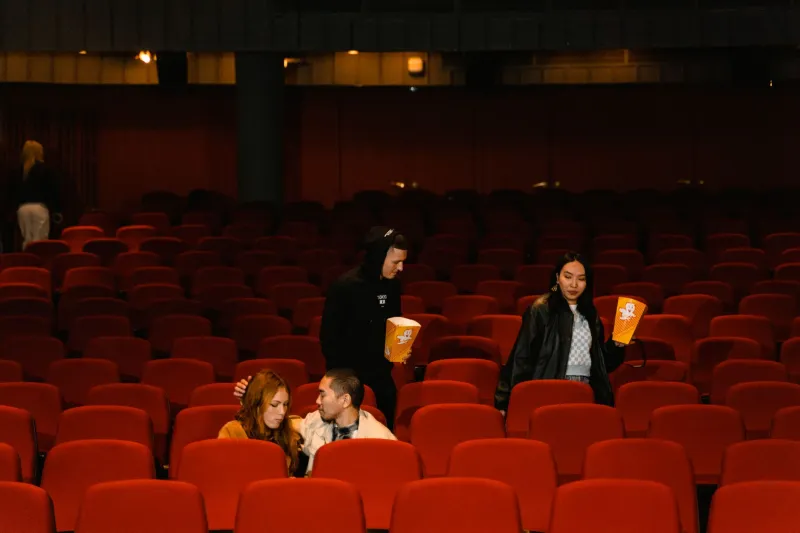
The pattern is so reliable it could be choreographed. A beloved horror film gets a remake announcement. Social media erupts. Someone posts the original trailer with the caption that always ends in a threat. A few weeks later, the same people are in a theater on Thursday night, or at home at 12:01 a.m. with the laptop open, watching the thing they swore they would never watch.
This is not hypocrisy. It is closer to a religious practice. Horror fandom has spent forty years arguing about remakes, and the argument has never once slowed the box office. If anything, the outrage is part of the marketing now, a free first act that primes the audience to have an opinion before they have seen a frame.
The Outrage Is the Trailer
Complaints about remakes tend to focus on a single accusation: you are ruining something. But the original is not being ruined. It is sitting right there, available, unchanged, usually in a better transfer than it has ever had. What people are actually mourning is the loss of the experience of encountering something for the first time. A remake is a public announcement that you are no longer the person who got to be surprised.
That is why the anger is so disproportionate. It is not really about the movie. It is about aging, and about the specific grief of watching your formative nightmare get repackaged for an audience that will never feel the way you felt.
The Secret Is That Remakes Have Always Been Good
Here is the part the outrage conveniently forgets: some of the most beloved horror films in the canon are remakes, sequels to remakes, or unofficial copies of something that came first. The genre has been recycling its own material since the drive-in era. A familiar story told with new tools is not a betrayal of horror tradition. It is the tradition.
The difference between a cynical retread and a real reimagining is not the existence of the source material. It is intent. A cynical remake exists to convert a recognized title into opening-weekend tickets. You can feel it in the first ten minutes, because the film is terrified of its own premise. It references the original the way a nervous host references a shared acquaintance, hoping the association will carry the evening.
A real reimagining does something else. It looks at the original's premise and asks what that premise means now. It changes the point of view, the setting, the target, or the fear. It risks the disappointment of the people who wanted a karaoke version, and it accepts that some of them will leave furious. The best ones make the original scarier in retrospect, because they reveal what it was actually about to an audience that had stopped noticing.
The Economics of Nostalgia
Horror is cheap to make relative to other genres, and it has a built-in marketing hook. That combination makes remakes irresistible to studios, and it also explains why they keep getting made despite the noise. A recognizable title travels. It translates. It sells a poster before the script is finished.
But there is a second, quieter economic force at work: streaming. Remakes perform well not just in theaters but as a catalog asset that can be promoted alongside the original, packaged thematically, and resold every October. A remake is not just a movie, it is a bundle. That is why the volume is not going to drop, no matter how many posts announce that this is the final straw.
So Why Do We Keep Pressing Play?
Because the argument is fun. Because horror fans love being right, and a remake gives everyone a chance to be right in public. Because curiosity is stronger than conviction, and because there is always a chance, a real chance, that this is one of the good ones.
And because the ritual itself is meaningful. The outrage, the skeptical trailer watch, the reluctant ticket, the post-movie debate that runs until 2 a.m. This is how the genre stays alive between original ideas. The remake is a conversation. You can decline to participate, but the conversation will happen with or without you.
How to Tell the Difference Before You Buy a Ticket
Ignore the marketing. Watch who made it and why. If the director has a genuine obsession with the original's themes, you will usually hear them talk about the idea rather than the property. If the promotional material leans entirely on reproduced iconography, with the same shots and the same lines and the same synth sting, you are looking at a karaoke film.
Also watch what the remake is afraid to change. Movies that update the surface but preserve the original's assumptions are rarely saying anything. The ones worth your time tend to be genuinely uncomfortable, either because they have new ideas about an old fear or because they refuse to flatter the audience that showed up to be comforted.
Nobody is required to be excited about remakes. But the next time you see a hundred comments declaring that Hollywood has run out of ideas, look at the calendar and check how many of those commenters will be watching opening weekend. That is the contradiction, and it is not going away. It is the engine. The horror remake is a ten-thousand-dollar question asked over and over by people who already know the answer and keep buying tickets anyway.