Be Kind, Rewind: The Video Store Kids Who Accidentally Invented the Algorithm
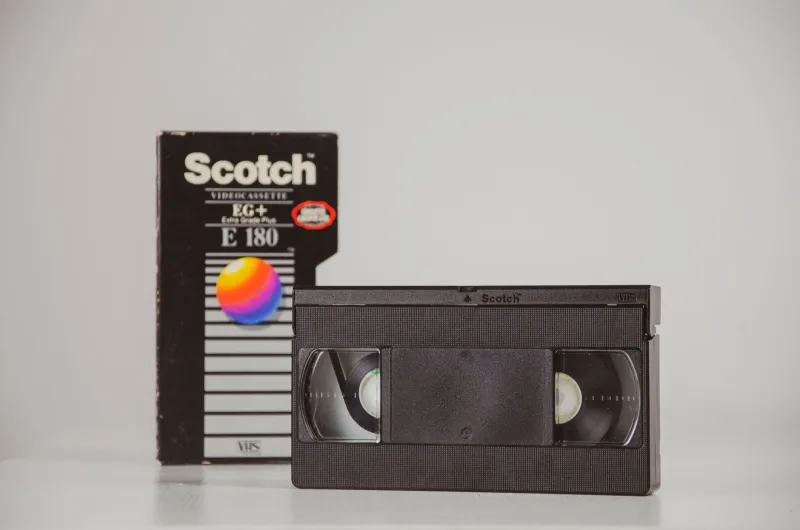
Every recommendation engine has an origin story, and it isn't Silicon Valley. It's a strip mall video store in 1985, a kid in a jean jacket holding two VHS boxes, choosing between them based entirely on which cover art looked like it might contain a demon.
That kid was the algorithm. He just didn't know it yet.
The Cover Was the Content
Here's the thing about horror on VHS: you couldn't preview it. No trailers on demand, no Rotten Tomatoes, no Letterboxd. The tape went in the VCR and you found out what you'd rented along with everyone else in the living room.
So the entire marketing weight of a horror movie rested on the box. And the '80s home video market responded with the greatest cover art arms race in film history — glowing skeletons, clawed hands bursting through plastic-look graphics, VHS big-box sleeves so oversized they needed their own shelf. Distributors like Vestron and Media Home Entertainment understood something modern platforms would later codify: packaging drives discovery more than quality does.
A kid renting The Video Dead because the cover ruled? That's a thumbnail click. That's a CTR-optimized image. The interface changed; the behavior didn't.
The Clerk Was the Recommendation Engine
But the VHS era had something streaming genuinely lacks: a human filter with opinions and a lanyard.
The horror section clerk was the most powerful tastemaker in the industry. They knew which tapes got returned with the rewind fee unpaid because someone watched them four times. They knew which box was rented because of the cover and which one people actually finished. "If you liked Re-Animator, take home From Beyond — same director, same energy" was collaborative filtering delivered with a pierced eyebrow and total confidence.
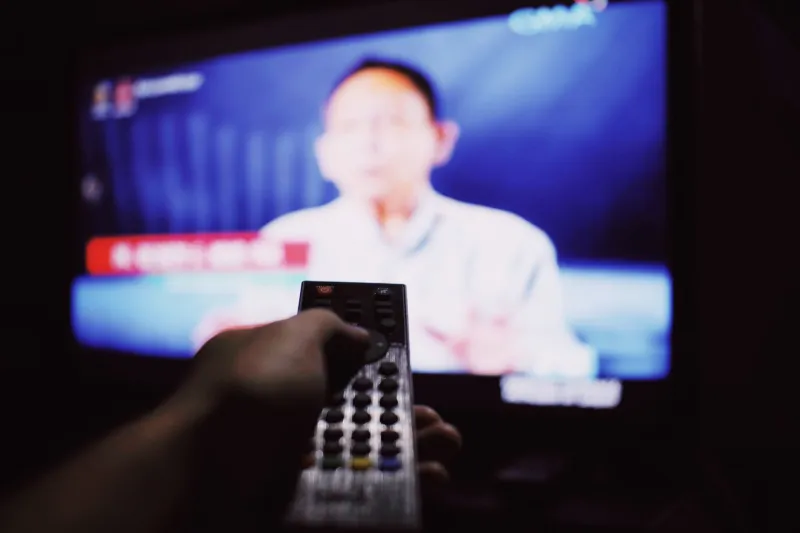
Streaming platforms spent two decades and billions of dollars trying to reverse-engineer what a 19-year-old at a Midwest video store did for minimum wage: match a person's mood to a movie they didn't know they wanted.
Word of Mouth Was the First Viral Feed
'80s horror fandom spread through a network that looks almost quaint now — but functioned exactly like today's feeds.
Kids at school Monday morning reenacting the chest-burster scene. Horror magazines like Fangoria publishing behind-the-scenes gore breakdowns that functioned as pre-release hype content. Sleepover screening parties where one kid's older brother's rental collection determined the taste of an entire friend group. Rumors about uncut versions and banned tapes created scarcity and mystique — the '80s version of "you had to be there."
Swap the lunchroom for TikTok, the Fangoria spread for a horror creator's breakdown video, and the sleepover for a watch-party livestream, and you have the modern horror fandom pipeline. The Terrifier franchise becoming a theatrical phenomenon off the back of viral TikTok clips of one specific scene? That's the kid on the playground describing Day of the Dead from memory, at scale.
Why the Video Store Model Keeps Coming Back
The industry keeps circling this era because the VHS market solved problems streaming still has:
Discovery through friction. Browsing shelves meant stumbling onto movies you'd never search for. Streaming's endless scroll is a worse version of wandering the aisles — which is why physical media sales are quietly rising again and boutique labels keep selling out limited editions in hours.
Taste as identity. Renting the goriest box was a social signal. Today's horror fans build the same identity through Letterboxd lists and TikTok collections — the shelf just moved to a profile page.
Curation as a product. The clerk's staff picks shelf is the direct ancestor of every editorially curated horror streaming category, every "because you watched" row, every listicle like the ones we write here. Someone — human or algorithm — deciding what goes on the shelf is the entire business.
The Tape Never Really Stops
The '80s didn't just make horror movies. It made horror fandom a participatory, hype-driven, cover-art-literate culture — and every platform since has been building faster, cheaper versions of that video store.
The algorithm knows what you rented last week. But it'll never know the feeling of standing in that aisle, holding a big-box tape with a skeleton on the cover, with five dollars in allowance and one rental left on the account.
Be kind, rewind. The machines are still learning from us.